Plug-and-Play Lessons for Human Skills Mastery

Today we’re diving into Ready-Made Soft Skill Lesson Scripts, practical, field-tested outlines that let facilitators deliver confident, high-impact sessions with clarity and warmth. Inside, you’ll find step-by-step flows, facilitator prompts, debrief cues, timing guidance, and stories that turn empathy, communication, feedback, and collaboration into lived habits. Use these scripts to reduce prep time, increase consistency, and spark measurable change. Read, try a segment, and tell us what landed, what surprised you, and where you want deeper dives next.

Start Faster, Teach Smarter

When time is tight, a clear structure is oxygen. These ready-to-run lesson flows trim hours from preparation and keep delivery focused, humane, and engaging. You get objectives that matter, activities that energize without fluff, and debrief questions that reveal insights rather than reciting theory. The result is consistent quality across sessions, easier onboarding for new facilitators, and a safer space for learners to practice hard conversations. Share your favorite shortcuts and we’ll compile community-sourced enhancements for everyone.

Design That Feels Human

Great learning design respects attention, context, and emotion. These sessions use relatable scenarios, plain language, and psychologically safe pacing to help participants try difficult behaviors without embarrassment. Frames set expectations, activities invite honest attempts, and debriefs translate insight into daily micro-habits. You’ll find options for small groups, hybrid rooms, and asynchronous follow-ups, each crafted to keep momentum beyond the workshop. Tell us where your learners hesitate most, and we’ll suggest adjustments that meet them kindly.

Core Skills, Lived Daily

Crystal-Clear Communication

Clarity reduces rework, stress, and resentment. Learners practice structuring messages with a concise purpose, concrete details, and an explicit request, then test understanding with a paraphrase check. Scripts provide contrasting examples to surface ambiguity. Facilitators model neutral tone and invite honest questions. Afterward, participants choose one email or conversation to rewrite using the framework, send it, and compare responses. Share your before-and-after examples and we’ll highlight techniques that consistently improved outcomes.

Empathy You Can Practice

Empathy becomes practical when behaviors are observable. Learners identify emotions, name assumptions aloud, and validate experiences without agreeing to everything. Short listening drills train attention and remove the urge to fix too fast. Scripts include prompts for switching perspectives mid-role-play, revealing blind spots. Debriefs connect empathy to boundaries and accountability, avoiding false kindness. Encourage participants to try a ninety-second listening pause this week, then note how the conversation shifted and what trust it unlocked.

Feedback That Lands

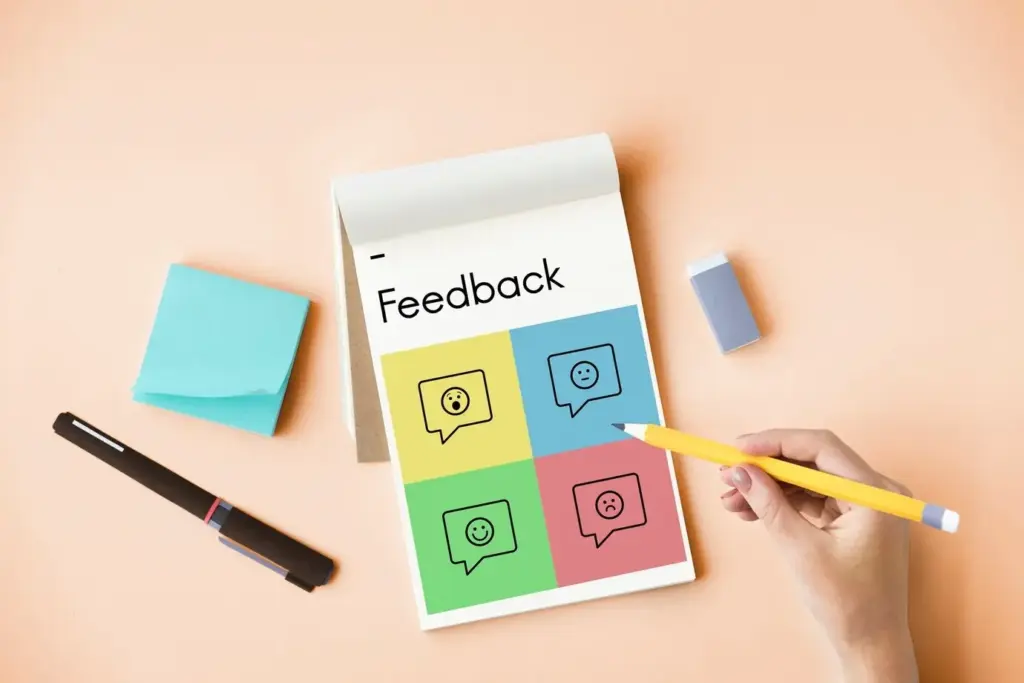
Useful feedback is timely, specific, and shared with care. Learners practice anchoring observations to impact, asking permission, and offering a concrete next step. Scripts include versions for peer, manager, and cross-team contexts. Common derailers—defensiveness, vagueness, or piling on—are handled with prewritten pivots. After practice, participants schedule one real feedback moment and reflect on body language, word choice, and follow-through. Post your reflections and help refine phrases that kept dignity intact while driving progress.

Make Sessions Memorable

Memorable learning sticks to stories, sensations, and stakes. These activities start with a hook, move through brief, focused practice, and end with debriefs that turn moments into meaning. You’ll see role-plays that avoid cringe, energizers with purpose, and reflection prompts that translate insight into next actions. The aim is change that shows up on Tuesday morning. Tell us which format your group loved most, and we’ll share advanced variations you can try next.

Measuring What Matters

Soft skills are visible when interactions improve. Measurement should honor that reality. These scripts include behavioral rubrics, scenario checks, and reflection prompts that tie learning to outcomes like fewer escalations, clearer handoffs, and faster decisions. Blend qualitative stories with quantitative indicators, and review progress at set intervals. Invite leaders to share observations, then adjust focus where friction persists. Post your favorite metrics and we’ll compile a practical, no-nonsense dashboard template you can copy immediately.

Field Notes from Busy Teams

Practical stories beat theory. We’ve seen customer support leads cut escalations after practicing boundary-setting, teachers ease parent conferences with careful paraphrasing, and product squads fix drift by clarifying requests. Scripts provided language under pressure and structure under uncertainty. Each story includes the small tweak that unlocked momentum. Share your own case, anonymize details, and we’ll map the script elements that mattered most so others can replicate success without reinventing or overcomplicating what already works.

Pilot with Purpose

Choose one pain point, one cohort, and one script. Define success in behavioral terms and set a short timebox. Capture baseline stories and metrics, then run the pilot with careful observation. Debrief with participants to improve clarity, pacing, and realism. Share outcomes widely, including what you changed. A focused win creates momentum for broader adoption without overpromising. Post your pilot plan and we’ll provide a crisp checklist to pressure-test your design before you launch.

Train-the-Trainer That Scales

Enable internal champions with facilitation kits, annotated flows, and demonstration videos. Practice tricky moments together, like managing derailers or emotions, using role reversals and pause-replay drills. Establish a coaching cadence and a feedback channel where trainers trade refinements. Version scripts visibly to avoid confusion. Celebrate first deliveries, not just perfect ones, so confidence grows. Ask your champions which activity they’d retire or elevate, then update the shared library to reflect collective wisdom quickly.

Governance and Living Library

Treat your collection like a product. Assign owners, set review cycles, and document changes with a clear changelog. Tag scripts by skill, audience, time, and modality for effortless discovery. Encourage field notes from every delivery and fold insights back into the content. Archive gracefully rather than hoarding outdated drafts. Publish a quarterly roundup of improvements so facilitators know what evolved and why. Invite contributors, credit their work, and keep the library vibrant and trustworthy.

Mufixexulilofuzopu
Privacy Overview

This website uses cookies so that we can provide you with the best user experience possible. Cookie information is stored in your browser and performs functions such as recognising you when you return to our website and helping our team to understand which sections of the website you find most interesting and useful.